If anything goes wrong in the backcountry, it’s important to be prepared. Here is an introduction to the rescue gear we carry in the field, as well as how to use it.
We will practice basic transceiver searches on the course, as well as rescue scenarios.
One resource that we will use whenever traveling in the backcountry is the local avalanche forecast page. To locate your forecast center, go to avalanche.org and click on your local forecast center.
If you’re headed to Canada, you can go to avalanche.ca to find regional forecasts.
The avalanche forecast offers current hazard ratings, as well as any reports of recent avalanche activity, current and forecasted weather, and a variety of other information.
It’s important to be prepared when traveling in the backcountry. We recommend carrying a few things to be able to repair broken gear, as well as hurt people.
Curious about what AAI instructor, Sarah Carpenter, carries in her first aid and repair kit? Check out the video below.
Here’s a checklist for your first aid and repair kit:
Group dynamics and interactions can influence how we make decisions in the backcountry. Understanding some of these influences will hopefully help us to better navigate them and make better decisions.
There are accident write ups available from a variety of sources. Take the time to review at least one of these accidents to understand how group dynamics, communication or lack of communication, and unclear goals can contribute to avalanche accidents.
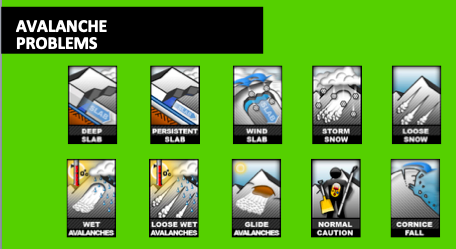
As a backcountry traveler, it should be our goal to avoid avalanches. Forecast centers often discuss current avalanche problems, where they are likely found, how sensitive to triggering they are, and how large of an avalanche this problem might produce.
Understanding current avalanche problems can help to hone in a daily route plan.
Watch this video explaining the avalanche problems forecast centers might identify in their daily forecasts.
And here is a little deeper dive into specific avalanche problems:
How do we use the forecast and observations to put a plan together?
It is important to have a system for planning and executing a day in the backcountry.
The AAI Backcountry Checklist provides a framework for this. The Pre-trip Plan is completed before you leave for the mountains. This section helps you identify terrain appropriate for the conditions and terrain that is off limits for the day.
The Identify Avalanche Terrain section is what should take place in the field. The goal is to prompt a continuous, focused conversation when you are approaching and moving through avalanche terrain.
The goal of the Post Trip Discussion is to continue the conversation from the mountains and to help facilitate learning. If you ask these questions each day, it can improve communication between you and your partners and provide opportunities for continuing education.